

What are the treatments and nutritional approaches for treating osteoporosis?


What is osteoporosis? A few reminders
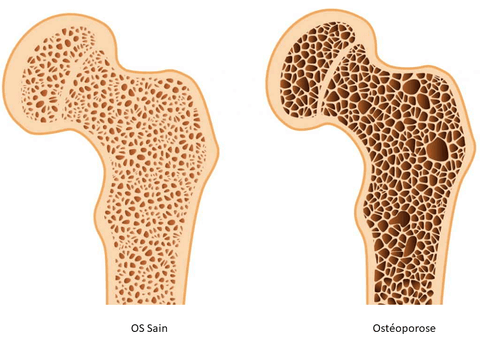
- Osteoporosis is a generalized and progressive skeletal disease. It is characterized by a decrease in bone mass accompanied by an alteration of the bone's microstructure. These phenomena lead to a decrease in skeletal strength and consequently increase the risk of fractures.
- The causes are numerous; osteoporosis is classified as primary when it is associated with a decrease in sex hormones and/or age. It can also be secondary when it results from the onset of another disease.
- The main consequence of osteoporosis is an increased risk of fractures. As the skeleton becomes more fragile, even low-energy trauma is enough to cause fractures, the most frequent of which are those of the hip, vertebrae, and extremities of the upper limbs.
- Fractures lead to a decrease in quality of life and, in some cases, an increased risk of death. Osteoporosis has become a public health issue due to the aging population.
What are the treatments for osteoporosis?
The goal of treating osteoporosis is to prevent fractures resulting from weakened bones. After assessing fracture risk, bone density, and medical history, medication may be recommended.
Among the medications used, bisphosphonates are the first-line treatment, aimed at reducing bone destruction. They are effective, but their use is inconvenient.
Other treatments exist, such as:
- Denosumab (a monoclonal antibody) has the same objective as biphosphates
- Teriparatide stimulates bone formation by mimicking the activity of parathyroid hormone.
- Raloxifene is a hormone replacement therapy intended for menopausal women.
Hygiene and nutrition approaches to preventing osteoporosis
The first measure to implement concerns diet: it is essential to ensure a healthy and balanced diet. This may seem obvious, but nutritional needs must be met (particularly calcium intake), and certain foods should be avoided.
This is particularly true of alcohol. In addition to its other harmful effects, alcohol is an aggravating factor in osteoporosis. It leads to a decrease in bone density and consequently an increased risk of fracture.
It is therefore necessary to moderate one's alcohol consumption; the reference value is 10 standard drinks per week (maximum!), taking care not to exceed 2 drinks per day and having days without consumption.
To meet nutritional needs, it is necessary to follow the guidelines and recommendations of the national nutrition and health program (PNSS) .
Alongside a healthy diet, regular physical activity is essential. This recommendation applies to all ages. While the benefits of physical activity are well-known for cardiovascular health and weight management, it is also crucial for maintaining bone density. Physical activities that help prevent osteoporosis are those that involve body weight, such as:
- The walk
- Racket sports
- Running
- The dance
Resistance exercises such as weight training can also complement these activities and contribute to the stimulation and strengthening of the skeleton.
What is the role of dietary supplements in the prevention and treatment of osteoporosis?
A key factor in osteoporosis is the supply and absorption of calcium in bones. Two elements are crucial for this: dietary calcium intake and vitamin D availability. Vitamin D can be either synthesized by the body or obtained through diet. The body's synthesis of vitamin D relies on ultraviolet B (UVB) radiation, thus requiring (reasonable) sun exposure. In summer, sun exposure is sufficient to meet bone needs, but in winter it is significantly insufficient, making dietary supplementation necessary.
To meet your vitamin D needs, you must consume foods that contain it, such as oily fish, egg yolks, butter, or certain fortified foods. Generally, the French population is rather deficient in vitamin D, and dietary intake is insufficient. To supplement this, you can use dietary supplements formulated to provide the optimal dose of vitamin D.
Phytocea and osteoporosis
At Phytocea we have developed ReNacre , an innovative food supplement specifically formulated for osteoporosis and teeth. ReNacre combines vitamin D (D3 – cholecalciferol) and highly bioavailable calcium provided in the form of mother-of-pearl powder, rich in aragonite, from the freshwater pearl oyster: Pinctada maxima .
=== content-split ===
7489814921430
=== content-split ===
